Available ports are not visible
The actual empty capacity is held back because the status in the system does not match field conditions.
Inspect port conditions directly in the field without disconnecting cables or disrupting service.
Ports that are no longer in use can still be listed as active. As a result, field teams hesitate to use them and companies risk adding devices before they are really needed.
The actual empty capacity is held back because the status in the system does not match field conditions.
Manual checks lengthen technicians' work and make the customer activation process less efficient.
Technician findings don't always go straight into the system, so discrepancies keep recurring.
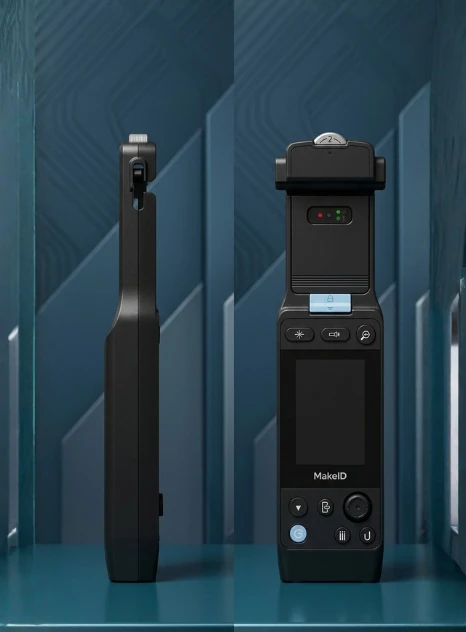
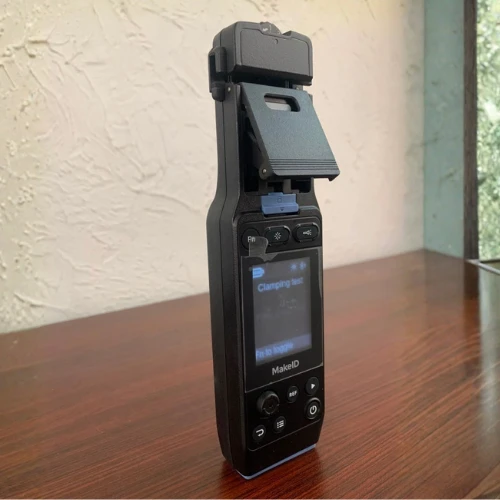
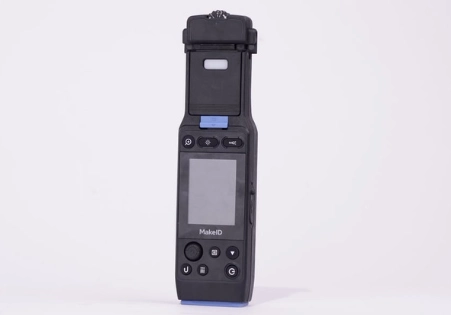
Designed for FTTH work in the field, this device helps technicians determine whether lines are actually active, check connections, and then act on ports that are only occupied administratively.
Just pinch the cable to find out whether there is a signal from the customer's side or not.
Additional test modes help distinguish connected, inactive, or problematic lines.
Check results can be sent via Bluetooth to update inventory data more quickly.
Find pseudo-occupancy so that ports can be reallocated without hasty additional investment.
The initial inspection is carried out without disconnecting the fiber connection so that customer disruption can be avoided.
Simple workflows help teams make decisions directly on site.
Field results data can be forwarded to the system so that capacity planning is more reliable.
Three practical steps to confirm port conditions and close the gap between system records and actual conditions.
Clamp the fiber cable without pulling it out. The device detects whether there is a signal from the subscriber's ONT.
Verify via optical connection to ensure the line is still connected, inactive, or disconnected.
Log results via the app or release port status to allow capacity to be reused.
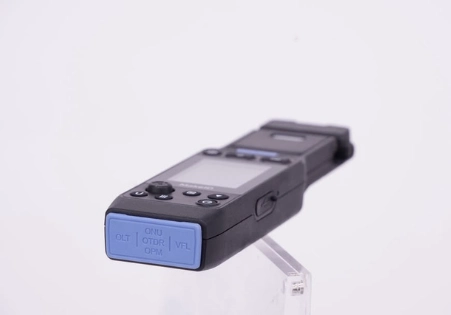
The Standard version covers the main port validation requirements. The Pro version adds OTDR functionality for more complete intrusion tracking.
Summary of key features of the product document.
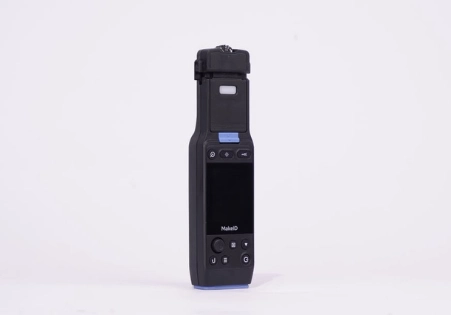
The handheld form makes it easy for technicians to carry the device to cabinets, splitters and network distribution points.
Tell us the number of sites, technician work patterns, and inventory systems used. The CAA team will help determine the most relevant device versions and deployment scenarios.
Complete the following data, our team will contact you.